Broadcasters already have the core assets they need to generate more value from content: a finished channel feed, a content library, an established brand, and a working advertising model. Expanding into a new region does not always require building a separate channel from scratch.
In many cases, the more practical option is to create a regionalised version of an existing feed.
That raises a question: what does it take technically and financially? The answer is simpler than expected. A single feed can be adapted for multiple markets with targeted changes to timing, branding, advertising, language, and distribution. This is exactly the kind of workflow broadcasters build with VPlay.
Where the additional revenue comes from
The same linear feed can support several revenue models at once.
Time zone adaptation
Instead of rebuilding the schedule or producing a separate version of the content, broadcasters can delay the feed for a different time zone and keep the same programming working in the right local viewing hours.
Local advertising
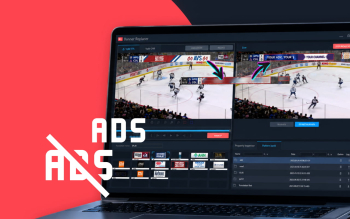
The core channel remains unchanged while ad breaks are replaced with local advertising. This allows broadcasters to add regional ad revenue without rebuilding the main national schedule.
Localisation for shopping and service channels
In some formats, success depends on local relevance. A shopping or service channel may need different phone numbers, websites, logos, or call-to-action graphics in each market. The content stays the same, but the channel looks local to the viewer, which protects conversion and avoids sending viewers to the wrong contact points.
Partner feeds and white-label versions
A content owner can also supply a channel to regional broadcasters, platform operators, or other partners in different formats: as a ready-to-air branded version, as a partially localised feed, or as a clean feed that a partner uses within its own schedule, for example, during daytime or overnight hours.
New distribution networks
A channel that previously existed only on cable or satellite can reach new audiences through IPTV, OTT, or web delivery. That opens up additional monetisation options, from advertising and sponsorship to new operator and partner agreements.
How VPlay supports regionalisation
The scale of regionalisation depends on the business goal. VPlay makes it possible to create and manage multiple channel versions from a single feed.
Graphics adaptation
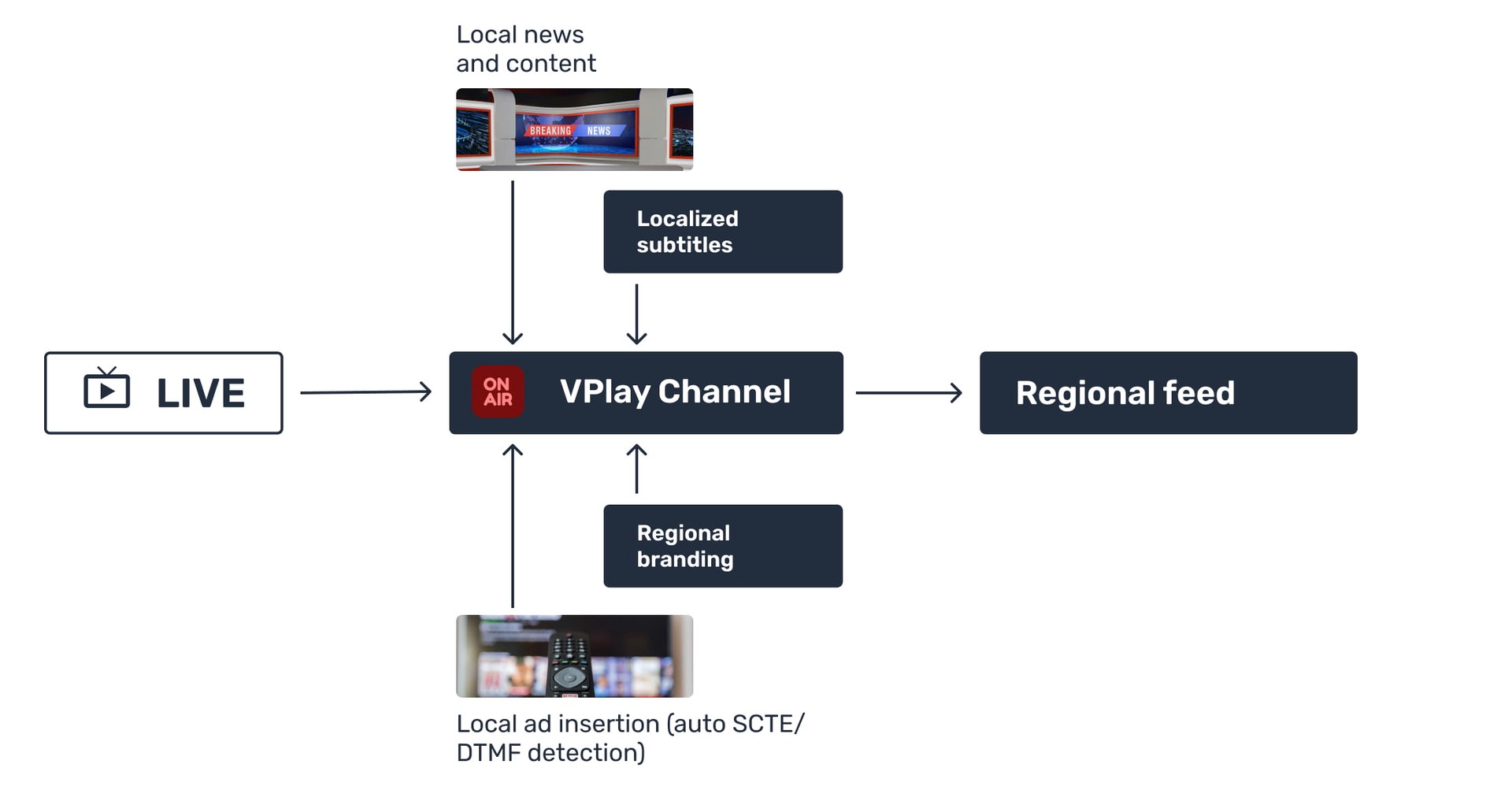
With its built-in encoder and graphics tools, VPlay can add logos, contact details, and other on-air elements directly to the outgoing stream. This is a practical way to localise shopping channels, service channels, and partner versions without launching a separate full-scale channel operation.
Delayed feeds and local ad windows
VPlay supports time-shifted delivery for different time zones, as well as ad marker-based workflows for regional ad replacement. That makes it possible to preserve the main schedule while inserting local advertising for specific regions or partner markets.
Multilingual delivery
Support for multiple audio tracks and subtitles allows broadcasters to adapt one channel for different countries, operators, and audiences without rebuilding the content chain for every market.
Multiple outputs from one workflow
The same feed can be delivered to cable, IPTV, OTT, and web environments from a single workflow, without duplicating the entire playout infrastructure for each version.
Example
A broadcaster already runs a teleshopping channel in the U.S. and wants to launch separate versions for the Eastern, Central, and Pacific time zones. Only a few elements need to change: airtime scheduling, phone numbers, and graphics.
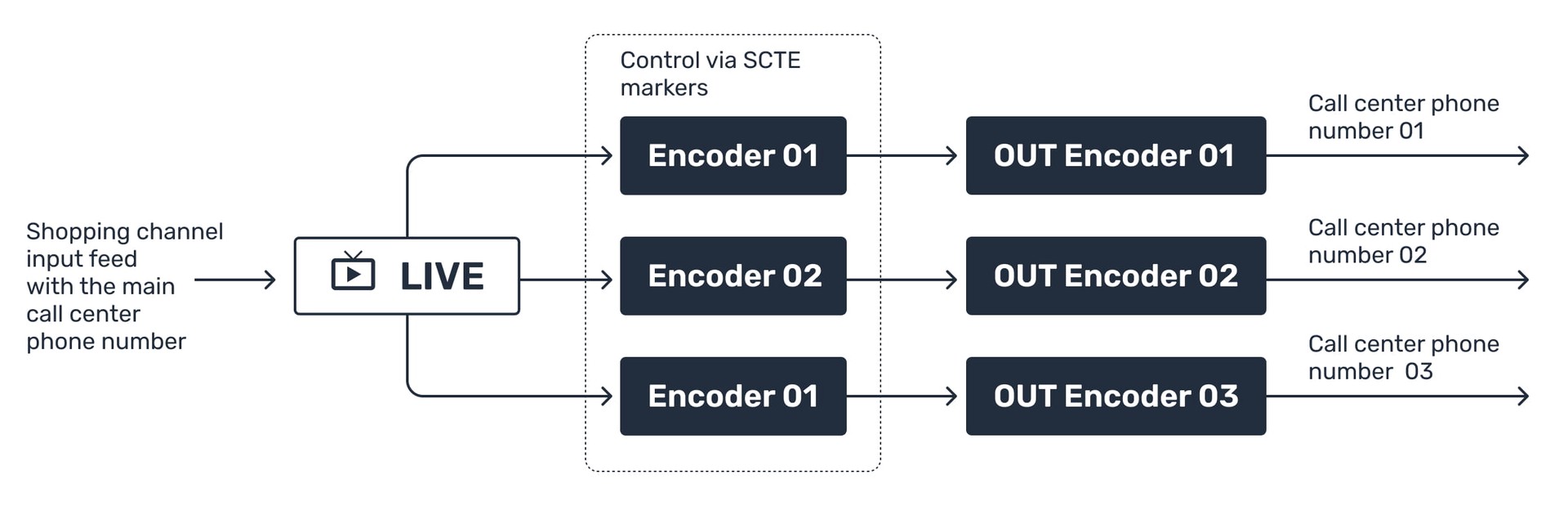
With VPlay, those versions can be created from the same base channel. Each one goes on air at the correct local time, with the right contact details, and the right graphics. The result is a single content stream working across multiple markets and multiple commercial models, without additional server and hardware purchases for every version.
What this means for the business
Regionalisation gives broadcasters a practical way to:
-
enter new regions faster
-
reuse existing content more effectively
-
add local advertising revenue
-
launch partner versions without building parallel infrastructure
-
expand audience reach through new delivery networks
With VPlay, channel regionalisation stops being a large, infrastructure-heavy project and becomes a manageable technical workflow. Time shifts, ad replacement, local graphics, language adaptation, and multi-network delivery can all be handled within a single playout environment. That gives broadcasters a more flexible way to use the feed they already have — across new markets, new partners, and new revenue streams.